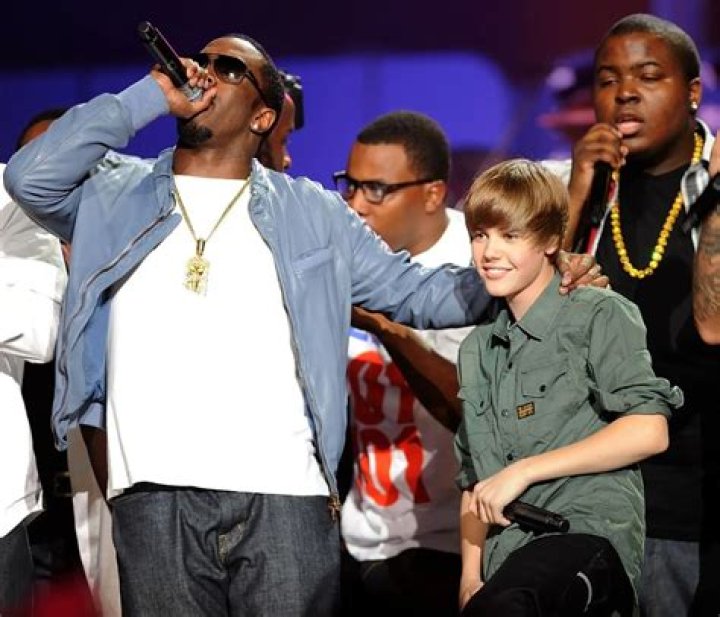
Chief Keef's death refers to the false rumor that the rapper Chief Keef had passed away, which spread rapidly on social media in 2013.
The rumor was quickly debunked by Chief Keef himself, who posted a photo of himself on Instagram with the caption "I'm alive." However, the rumor persisted for several days, and many fans were concerned about the rapper's well-being.
The false rumor about Chief Keef's death highlights the power of social media to spread information, both true and false. It also shows the importance of verifying information before sharing it, especially when it comes to sensitive topics like death.
Chief Keef Death Hoax
In 2013, a rumor spread on social media that rapper Chief Keef had died. The rumor was quickly debunked, but it highlights the power of social media to spread misinformation.
- False Information: The rumor about Chief Keef's death was false and spread rapidly on social media.
- Social Media: Social media platforms like Twitter and Instagram were used to spread the rumor.
- Celebrity Hoax: False rumors about celebrities' deaths are not uncommon and can spread quickly.
- Fan Concern: Many of Chief Keef's fans were concerned about his well-being after the rumor spread.
- : Chief Keef quicklyed the rumor by posting a photo of himself on Instagram.
- Media Literacy: The Chief Keef death hoax highlights the importance of media literacy and verifying information before sharing it.
The Chief Keef death hoax is a reminder that we should not always believe everything we see on social media. It is important to be critical of the information we consume and to verify it before sharing it with others.
False Information
The false information about Chief Keef's death spread rapidly on social media due to several factors:
- Speed and Reach of Social Media: Social media platforms like Twitter and Instagram allow information to spread quickly and widely. False information can spread just as quickly as true information, making it difficult for people to know what is true.
- Lack of Verification: Social media users often share information without verifying it. This can be due to a number of factors, such as a desire to be the first to share news or a lack of awareness about how to verify information.
- Sensationalism: False information that is sensational or shocking is more likely to be shared on social media. This is because people are more likely to share information that is emotionally evocative.
- Confirmation Bias: People are more likely to believe information that confirms their existing beliefs. This can lead to people sharing false information that supports their own biases.
The spread of false information on social media can have serious consequences. In the case of Chief Keef, the false rumor about his death caused concern and distress among his fans. In other cases, false information can lead to violence, discrimination, or other harmful actions.
Social Media
The false rumor about Chief Keef's death spread rapidly on social media, particularly on platforms like Twitter and Instagram. This is because these platforms allow users to share information quickly and easily, and they have a large reach. Additionally, social media users often share information without verifying it, which can contribute to the spread of false information.
- Speed and Reach: Social media platforms like Twitter and Instagram allow information to spread quickly and widely. This is because these platforms are designed to make it easy for users to share information with their followers. As a result, false information can spread just as quickly as true information, making it difficult for people to know what is true.
- Lack of Verification: Social media users often share information without verifying it. This can be due to a number of factors, such as a desire to be the first to share news or a lack of awareness about how to verify information. As a result, false information can spread quickly and widely on social media.
- Sensationalism: False information that is sensational or shocking is more likely to be shared on social media. This is because people are more likely to share information that is emotionally evocative. For example, the false rumor about Chief Keef's death was more likely to be shared than a true rumor about his health.
- Confirmation Bias: People are more likely to believe information that confirms their existing beliefs. This can lead to people sharing false information that supports their own biases. For example, people who believe that Chief Keef is a dangerous person may have been more likely to share the false rumor about his death.
The spread of false information on social media can have serious consequences. In the case of Chief Keef, the false rumor about his death caused concern and distress among his fans. In other cases, false information can lead to violence, discrimination, or other harmful actions.
Celebrity Hoax
The false rumor about Chief Keef's death is an example of a celebrity hoax. Celebrity hoaxes are false rumors about celebrities' deaths or other personal information. These hoaxes can spread quickly on social media and other online platforms. In some cases, celebrity hoaxes can even make their way into traditional media outlets.
There are a number of reasons why celebrity hoaxes are so common. One reason is that celebrities are often in the public eye, and their lives are constantly being scrutinized. This makes them vulnerable to false rumors and hoaxes.
Another reason why celebrity hoaxes are common is that they can be very lucrative. Some people spread celebrity hoaxes in order to gain attention or website traffic. Others may do it simply for the fun of it.
Whatever the reason, celebrity hoaxes can have a negative impact on celebrities and their fans. Hoaxes can cause celebrities distress and anxiety. They can also damage their reputations and careers.
It is important to be aware of celebrity hoaxes and to be skeptical of information that you see online. If you are unsure whether or not a rumor is true, it is best to check with a reputable news source.
Fan Concern
The false rumor about Chief Keef's death caused concern and distress among his fans. This is because fans care about Chief Keef and his well-being. When they heard the rumor that he had died, they were naturally concerned and wanted to know if it was true.
Fan concern is an important component of "cheif keef die" because it shows the impact that the rumor had on Chief Keef's fans. It also shows how much fans care about him and his well-being.
The concern that Chief Keef's fans felt after the rumor spread is a reminder that false information can have a real impact on people's lives. It is important to be aware of this and to be skeptical of information that you see online.
The false rumor about Chief Keef's death was quicklyed by the rapper himself, who posted a photo of himself on Instagram with the caption "I'm alive." This helped to reassure fans and quell the rumors.
- as a response to false information: is a common practice on social media, where false information can spread quickly. When a rumor ised, it means that it has been proven to be false.
- The importance of: is important because it helps to stop the spread of false information. In the case of Chief Keef, the helped to reassure fans and quell the rumors.
- using social media: Social media is a common platform for. This is because social media allows people to share information quickly and easily.
- The impact of: can have a positive impact on the people who are affected by the false information. In the case of Chief Keef, the helped to reassure fans and quell the rumors.
The of the Chief Keef death rumor is an example of how can be used to stop the spread of false information. It is important to be aware of and to use it to help stop the spread of false information.
Media Literacy
The Chief Keef death hoax highlights the importance of media literacy and verifying information before sharing it. Media literacy is the ability to access, analyze, evaluate, and create media. It is an essential skill in today's world, where we are constantly bombarded with information from a variety of sources.
- Evaluating Sources: Media literacy involves being able to evaluate the credibility of sources. This means considering factors such as the author's expertise, the publication's reputation, and the.
- Verifying Information: Once you have found a credible source, it is important to verify the information before sharing it. This means checking the facts with other sources and being aware of your own biases.
- Understanding Context: Media literacy also involves understanding the context of information. This means considering the time and place in which the information was created, as well as the purpose of the information.
- Critical Thinking: Media literacy requires critical thinking skills. This means being able to analyze information, identify biases, and draw your own conclusions.
The Chief Keef death hoax is a reminder that we should not always believe everything we see on social media. It is important to be critical of the information we consume and to verify it before sharing it with others.
FAQs about "cheif keef die"
The false rumor about Chief Keef's death in 2013 raised several important questions and concerns. Here are some frequently asked questions and their answers:
Question 1: Is Chief Keef really dead?
Answer: No, Chief Keef is not dead. The rumor of his death was false and was quickly debunked by the rapper himself.
Question 2: Why did the rumor start?
Answer: The reason why the rumor started is unclear. Some speculate that it was started by someone who wanted to cause harm to Chief Keef or his fans. Others believe that it was simply a case of misinformation that spread quickly on social media.
Question 3: How did Chief Keef respond to the rumor?
Answer: Chief Keef responded to the rumor by posting a photo of himself on Instagram with the caption "I'm alive." This helped to reassure fans and quell the rumors.
Question 4: What can we learn from this incident?
Answer: The Chief Keef death hoax highlights the importance of media literacy and verifying information before sharing it. It is also a reminder that we should not always believe everything we see on social media.
Question 5: What is media literacy?
Answer: Media literacy is the ability to access, analyze, evaluate, and create media. It is an essential skill in today's world, where we are constantly bombarded with information from a variety of sources.
Question 6: Why is media literacy important?
Answer: Media literacy is important because it helps us to be more informed and critical consumers of media. It also helps us to be more aware of our own biases and to avoid being manipulated by misinformation.
Tips for Avoiding Misinformation
The false rumor about Chief Keef's death highlights the importance of media literacy and verifying information before sharing it. Here are five tips for avoiding misinformation:
Tip 1: Evaluate the Source
Before sharing information, consider the credibility of the source. Is it a reputable news organization or a website with a known bias? Is the author an expert on the topic? Evaluating the source can help you determine whether the information is trustworthy.
Tip 2: Verify the Information
Don't just take information at face value. Verify it by checking other sources. If the information is accurate, it should be consistent across multiple sources. Be especially wary of information that is only found on one or two websites.
Tip 3: Be Aware of Your Biases
We all have biases, and they can influence the way we interpret information. Be aware of your own biases and be open to information that challenges them. This will help you avoid falling for misinformation that confirms your existing beliefs.
Tip 4: Use Critical Thinking Skills
Don't just accept information without question. Use critical thinking skills to analyze the information. Does it make sense? Is there evidence to support it? Be skeptical of information that seems too good to be true or that appeals to your emotions.
Tip 5: Share Information Responsibly
If you're not sure whether information is accurate, don't share it. Sharing misinformation can have serious consequences, both for the individuals involved and for society as a whole. If you do share information, always cite your sources so that others can verify it.
By following these tips, you can help to avoid misinformation and be a more informed and critical consumer of media.
Summary
Misinformation is a serious problem, but it can be avoided by following a few simple tips. By evaluating the source, verifying the information, being aware of your biases, using critical thinking skills, and sharing information responsibly, you can help to stop the spread of misinformation and promote a more informed and critical society.
Conclusion
The false rumor about Chief Keef's death highlights the importance of media literacy and verifying information before sharing it. Misinformation can have serious consequences, both for the individuals involved and for society as a whole. It is important to be aware of the techniques that are used to spread misinformation and to be critical of the information that we consume.
We can all play a role in stopping the spread of misinformation. By following the tips outlined in this article, we can help to create a more informed and critical society.
Alina Habba's Ancestry: Exploring Her Cultural Heritage
The Enigma Of Lola Tung's Ancestry: Unveiling Her Ethnic Identity
Breanna Conrad's Weight Loss Transformation: Tips & Inspiration
Chief Keef's motion for drug charge dismissal denied
"The Therapist" Cheif Keef (TV Episode 2017) IMDb
4NEM Hiphop media reacts to Chief Keef's new album HipHopCanada